![Logo [with tagline]-38](https://talkingdistance.com/wp-content/uploads/2025/03/Logo-with-tagline-38-300x138.webp)
⏰ Read time : 6 mins
Addiction and substance use disorders are often misunderstood, either reduced to “bad habits” or framed as personal failings. In reality, they reflect complex patterns that develop over time, shaped by a person’s internal world, their environment, and the roles substances or behaviours begin to play in their life. This piece is intended to help you recognise these patterns with more awareness and nuance. It is not meant to diagnose anyone, but to offer a framework for understanding and reflection.
What Are Substance Use Disorders?
At their core, substance use disorders involve patterns of repeated use that become difficult to control, continue despite negative consequences, and gradually begin to influence a person’s emotional, psychological, and relational life. What may begin as occasional or social use can, over time, shift into something that feels necessary or automatic.
It is important to understand that these patterns do not emerge in isolation. They are often intertwined with how a person copes, regulates emotions, navigates stress, and relates to themselves and others.
How Difficulties Show Up: Intoxication, Withdrawal, and Addiction
Problems related to substance use are often experienced in three interconnected ways: intoxication, withdrawal, and addiction.
Intoxication refers to the immediate effects of a substance on the body and mind. This might include changes in mood, perception, behavior, or thinking. For some, intoxication feels like relief, ease, or even confidence. For others, it may lead to impulsivity, emotional volatility, or disconnection.
Withdrawal emerges when the substance is reduced or stopped. The body and mind, having adapted to its presence, begin to react. This can show up as irritability, anxiety, restlessness, low mood, physical discomfort, or strong cravings. Withdrawal is often one of the reasons it becomes difficult to stop, even when someone wants to.
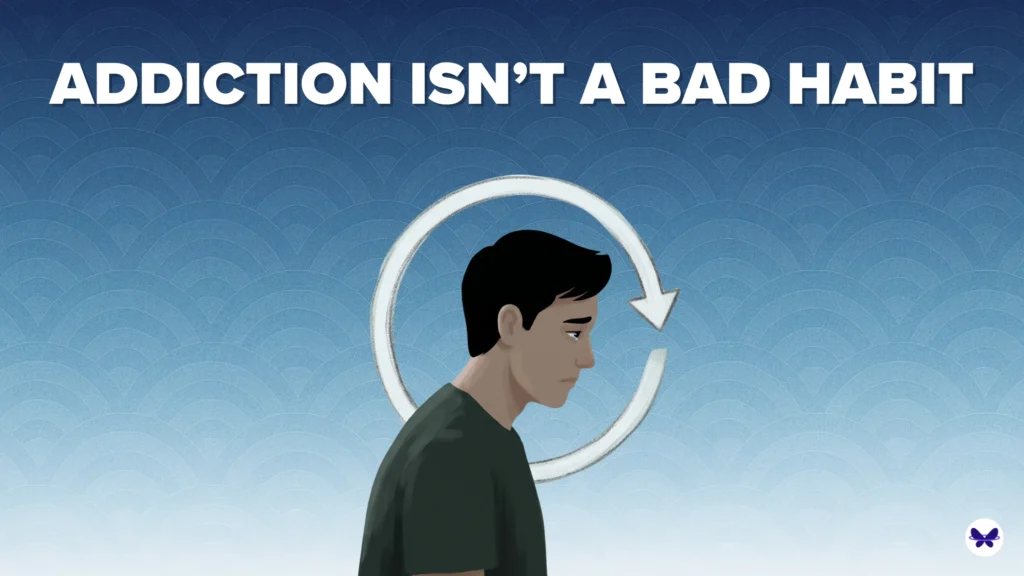
Addiction develops over time as these experiences begin to form a cycle. Use becomes less about choice and more about compulsion. Even when a person is aware of the negative impact—on their health, relationships, or work—the pull to continue can feel overwhelming.
The Role of Reinforcement: Why It Continues
One of the reasons these patterns persist is because substances often “work,” especially in the beginning. They may reduce emotional pain, ease social anxiety, provide escape, or create a temporary sense of control or belonging. These effects act as positive reinforcers.
Over time, however, the consequences begin to accumulate. Relationships may become strained, responsibilities harder to manage, and a sense of disconnection from oneself may grow. Despite this, the cycle continues. This is not because the person is unaware or indifferent, but because the system—both psychological and physiological—has adapted. The substance begins to feel like a necessary way to cope, even when it is also causing harm.
Types of Substances and Addictive Behaviours
Substance use disorders can involve a wide range of substances, many of which are commonly encountered in everyday life. Alcohol and nicotine are among the most widely used and socially accepted, which can sometimes make problematic patterns harder to identify. Cannabis may be experienced as calming or grounding, yet can also lead to dependency and changes in motivation or mood.
Stimulants, such as cocaine or amphetamines, tend to increase energy and alertness but can disrupt sleep, emotional regulation, and physical health over time. Depressants, including benzodiazepines and certain sedatives, may initially reduce anxiety but can create reliance and challenging withdrawal experiences. Opioids, whether prescribed or illicit, are particularly associated with strong physical dependence and significant risk.
There are also substances like hallucinogens and inhalants, which may be used less frequently in some contexts but still carry potential for harm, especially with repeated use or unsafe conditions.
Alongside substances, behavioural addictions are increasingly recognised. Gambling is one of the most well-known, but similar patterns can develop with gaming, internet use, shopping, or work. In these cases, the addictive cycle is driven not by a chemical substance but by patterns of reward, anticipation, and compulsion that become difficult to regulate.
Treatment and Pathways to Recovery
There is no single path to recovery, and different approaches may be helpful for different people at different stages. In some cases, medical support is important, particularly when managing withdrawal safely. For many, psychotherapy provides a space to explore the deeper layers of use—what the substance has been doing for them, what it has been protecting them from, and what might need support or repair.
Therapeutic work may involve building emotional regulation skills, processing difficult experiences, understanding relational patterns, and reconstructing a sense of identity beyond the substance. Community-based support, including peer groups, can also play a significant role by reducing isolation and offering a sense of shared experience.
Recovery is often non-linear. Setbacks can be part of the process, not necessarily a failure of it. What becomes important is creating a system of support that allows for continuity, reflection, and gradual change.
Moving Away from Blame: Not a Character Flaw
A crucial shift in understanding addiction is recognising that it is not a character flaw. It is not about a lack of willpower or moral weakness. Substance use disorders develop through a combination of biological vulnerability, psychological needs, and environmental influences.
This perspective does not remove responsibility, but it changes how responsibility is approached. Instead of being driven by shame or self-criticism, there is space for accountability that is grounded in understanding and care. This shift often makes it more possible for change to be sustained.
For Caregivers and Loved Ones
Supporting someone who is struggling with substance use can be emotionally complex. It often involves navigating concern, frustration, fear, and sometimes helplessness. There can be a strong urge to fix the situation or to protect the person from consequences, alongside moments of exhaustion or distance.
It can help to recognise that while you can offer support, you cannot control another person’s choices. Finding a balance between care and boundaries becomes essential. This may involve expressing concern clearly, encouraging professional support, and also maintaining your own wellbeing.
Caregivers also need support. The impact of substance use is not limited to the individual; it affects the relational system around them. Having spaces to process your own experience, learn how to communicate more effectively, and understand the dynamics at play can make a meaningful difference.
A Closing Reflection
Recognising addiction is rarely a single moment of clarity. It tends to emerge gradually, through noticing patterns that become harder to ignore. If there is a place to begin, it may be in observing without immediate judgment. What role is this substance or behaviour playing? What shifts when it is absent? What feels difficult to face without it?
These are not questions that demand quick answers, but they open a space for awareness. And within that awareness, there is the possibility of change—not as a sudden transformation, but as a process of reconnecting with oneself in ways that feel more sustainable, supported, and grounded.
If this feels familiar, you don’t have to navigate it alone.
Talking Distance offers support, starting with a free consultation.